


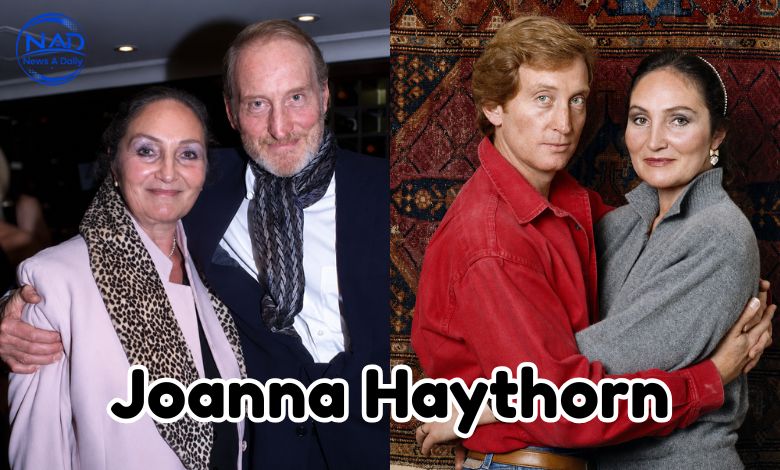
When an actor becomes a recognised global name, public curiosity often moves beyond films, awards and red-carpet moments. It starts to reach into marriage, children, divorce and the private people who lived close to that fame. That is why the name Joanna Haythorn continues to attract attention, even though she never chased celebrity status herself. She is best known as the former wife of British actor Charles Dance, whose work in The Jewel in the Crown, Bleak House, The Crown and Game of Thrones made him familiar to audiences across generations. Yet Haythorn’s story should not be treated like gossip. Public information about her is limited, and that makes respect important. Her life is best understood through the facts that are known: a long marriage, two children, a painful divorce and a quiet personal identity shaped away from the spotlight.
Quick Bio
| Detail | Information |
|---|---|
| Full Name | Joanna Haythorn |
| Known For | Former wife of British actor Charles Dance |
| Nationality | British |
| Profession | Reportedly a sculptor; kept a private life |
| Former Husband | Charles Dance |
| Marriage Year | 1970 |
| Divorce Year | 2004 |
| Children | Oliver Dance and Rebecca Dance |
| Public Image | Private, low-profile and away from celebrity attention |
| Famous Connection | Linked to Charles Dance, known for Game of Thrones, The Crown and The Jewel in the Crown |
| Main Story Focus | Marriage, family, privacy and life away from fame |
| Current Status | Reported to have passed away in later years |
Who Was Joanna Haythorn?
Joanna Haythorn was a private British woman who became publicly known because of her marriage to Charles Dance. Unlike many people connected to famous actors, she did not build a public career around media attention, interviews or celebrity appearances. Some public reports have described her as a sculptor, which suggests a creative life of her own, but detailed information about her personal background, early years and professional work remains limited. This lack of information is not a weakness in her story; it is part of what makes her different from the usual celebrity-profile subject. She appears in public memory mainly because she was married to a man whose acting career grew from respected theatre work into international screen fame, but she herself remained outside that machinery. In a culture where people often expect every family member of a famous person to become searchable, visible and constantly discussed, Haythorn stands as someone who remained mostly private even while her name became connected to a very public figure.
Joanna Haythorn and Charles Dance’s Long Marriage
The best-known chapter in Haythorn’s public story is her marriage to Charles Dance. The couple married in 1970, long before Dance became a widely recognised international screen presence. Their marriage lasted for more than three decades, ending in divorce in 2004. A relationship of that length carries more history than any short public summary can explain. It covered the years in which Dance moved through theatre, television and film, slowly building the sharp, commanding presence that later made him famous to millions. For Haythorn, that meant living beside a career that became increasingly visible, demanding and exposed to public attention. Celebrity can look glamorous from the outside, but for families it can bring pressure, distance and unwanted attention. Haythorn’s life with Dance was not just a celebrity marriage headline; it was a long domestic partnership that began before the height of his fame and continued through major changes in his professional and personal world.
Family Life and Their Children
During their marriage, Joanna Haythorn and Charles Dance had two children, Oliver and Rebecca. This family detail is one of the clearest and most repeated facts about her life, but little has been made public about the children’s private world, and rightly so. Haythorn’s role as a mother is important because it reminds readers that her identity was not limited to being “Charles Dance’s wife”. She was part of a family structure that existed behind the actor’s public roles, interviews and career commitments. Children of famous parents can often become drawn into public curiosity through no choice of their own, but Haythorn’s family life appears to have remained mostly protected from unnecessary exposure. That privacy suggests a clear boundary between public work and personal life. For readers, it is important to understand that the most meaningful parts of Haythorn’s life may be the parts that were never turned into entertainment content.
Life Beside a Rising Actor
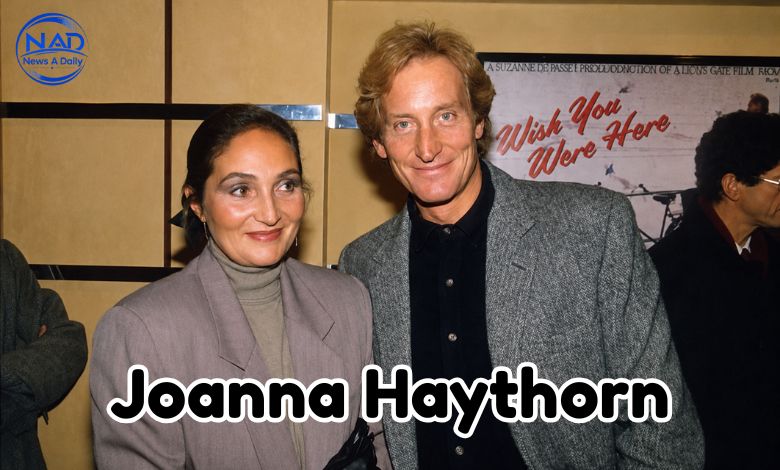
Charles Dance’s career is marked by strong performances, serious roles and a distinctive screen presence. His rise brought admiration, attention and a public image that became difficult to separate from his private life. For Joanna Haythorn, being married to a rising actor likely meant adjusting to the unpredictable rhythm of the entertainment industry: travel, filming schedules, interviews, public appearances and the emotional pressure that comes when one partner becomes widely recognised. Dance’s breakthrough in The Jewel in the Crown in the 1980s brought him major attention, and later roles introduced him to new generations of viewers. The outside world may have seen glamour, but the private cost of fame can be more complicated. Haythorn’s story is therefore not simply about standing beside a famous man; it is about being part of a life where private relationships existed in the shadow of public fascination. Her quiet presence makes that contrast even more striking.
Why the Marriage Ended
The divorce between Joanna Haythorn and Charles Dance became a subject of public interest because the marriage had lasted so long. They separated after more than thirty years together, and the divorce was finalised in 2004. In later interviews, Dance spoke openly about the breakdown of the marriage and accepted responsibility for his own behaviour. He admitted that his actions contributed to the end of the relationship, and he expressed regret over what happened. This matters because many celebrity divorce stories become filled with speculation, blame and exaggerated claims. In this case, the most respectful approach is to rely on what has been publicly acknowledged rather than inventing drama. Haythorn did not become a loud public voice in the aftermath, nor did she appear to use the divorce for attention. Her silence should not be treated as mystery for gossip; it can also be read as dignity and personal restraint.
Friendship After Divorce
One of the more human parts of the story is that Charles Dance later said he and Joanna Haythorn became friends again after a difficult period following their divorce. That detail gives the story emotional weight because it shows that long relationships do not always end in permanent bitterness. A divorce can close one chapter while leaving behind shared history, family ties and, sometimes, a different kind of respect. Dance has spoken with regret about the marriage ending, but he has also described the eventual friendship as something meaningful. For Haythorn, this suggests that her connection with Dance did not disappear simply because the legal marriage ended. They had spent decades together and raised children, so their lives could not be reduced to one painful ending. Their later friendship makes the story more mature than a typical celebrity break-up narrative.
A Woman Who Chose Privacy
The most important word in any serious article about Joanna Haythorn is privacy. She was connected to fame but did not appear to seek fame for herself. In the modern media world, that choice feels increasingly rare. Many people linked to celebrities become social media personalities, public commentators or recurring names in entertainment news. Haythorn did not follow that path. The limited information available about her may frustrate readers looking for dramatic details, but it also protects the truth of who she was. Not every person near celebrity life wants to become a public figure. Not every private life should be treated as an unfinished puzzle. Haythorn’s story asks for a more careful kind of attention, one that values what is known while accepting that some things remain personal.
Public Interest in Joanna Haythorn Today
Interest in Joanna Haythorn continues largely because Charles Dance remains active and admired as an actor. His later roles in major productions introduced him to younger audiences, especially through Game of Thrones, where he played Tywin Lannister with cold authority and memorable control. As new fans learn about Dance’s life, they often discover Haythorn’s name and want to know more about the woman who was married to him for so many years. That interest is understandable, but it should be handled with balance. Haythorn was not a fictional character, a publicity tool or a footnote in someone else’s career. She was a real person whose public identity is limited because she lived privately. A good account of her life should not exaggerate, invent or turn absence of information into false drama. Instead, it should explain why her privacy matters.
Legacy and Final Reflection
The legacy of Joanna Haythorn is quiet but meaningful. She is remembered publicly because of her long marriage to Charles Dance, her role as the mother of their children and the dignity with which she remained outside the celebrity spotlight. Later reporting has described her as having died years after the divorce, adding a further note of sadness to a story already shaped by time, regret and reflection. Yet her public story should not be framed only around separation or loss. It should also recognise endurance, family and restraint. In many celebrity stories, the loudest person gets the most attention. Haythorn’s life shows another kind of presence: one built not through headlines, but through privacy and personal boundaries. Her name remains connected to Charles Dance, but her story also reminds readers that the people beside fame often live lives that are deeper, quieter and more private than the public will ever know.
Conclusion
Joanna Haythorn remains an interesting figure precisely because she did not turn her connection to fame into a public identity. She married Charles Dance in 1970, shared more than three decades of life with him, became the mother of Oliver and Rebecca, and later went through a divorce that Dance himself has spoken about with regret. What stands out most is not scandal, but restraint. Haythorn’s life shows that being close to a famous person does not mean surrendering privacy. Her story is a reminder that some lives deserve to be discussed carefully, without exaggeration, and with respect for what remains unknown.
Read this too: Lacey Dover: A Closer Look at the Actress, Her Screen Credits and Growing Public Curiosity
(FAQs)
Who was Joanna Haythorn?
Joanna Haythorn was the former wife of British actor Charles Dance. She is mainly known publicly because of their long marriage, although some reports have also described her as a sculptor.
When did Joanna Haythorn marry Charles Dance?
Joanna Haythorn married Charles Dance in 1970. Their marriage lasted for more than thirty years before ending in divorce in 2004.
Did Joanna Haythorn and Charles Dance have children?
Yes, Joanna Haythorn and Charles Dance had two children together, a son named Oliver and a daughter named Rebecca.
Why did Joanna Haythorn and Charles Dance divorce?
Charles Dance later said that the marriage ended because of his own behaviour and admitted regret over his actions. The divorce was finalised in 2004.
Was Joanna Haythorn a public celebrity?
No, Joanna Haythorn was not a public celebrity in the usual sense. She kept a private life and did not actively seek media attention despite her connection to a famous actor

