
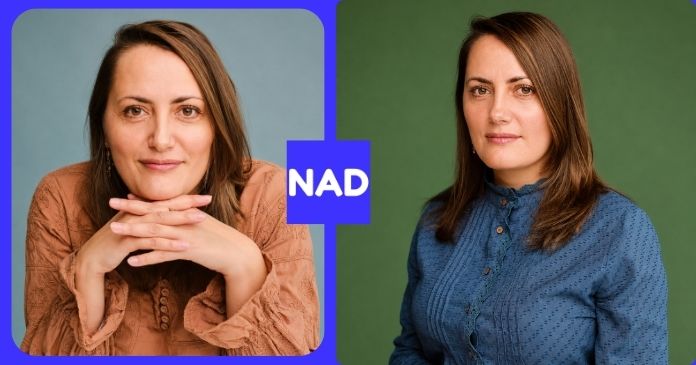
Cinema is changing, and some of the most exciting stories are no longer coming only from big studios or familiar names. They are coming from filmmakers who understand struggle, identity, courage and the quiet drama of real life. One of those names is Barbara Bargiel.
Barbara Bargiel is a Polish–British film director and scriptwriter based in London. Her work sits in the world of independent cinema, where personal vision often matters more than expensive production. She is known for creating films with strong emotional themes, socially aware stories and a clear commitment to women in film.
What makes her journey especially interesting is the way she blends art, activism and storytelling. Her creative background includes performance, photography and installation art, which gives her film style a visual and experimental edge.
As conversations around representation, inclusion and ethical filmmaking continue to grow, Barbara Bargiel stands out as a director whose voice feels timely. Her films do not simply entertain. They ask questions, challenge assumptions and give space to people whose stories are often pushed aside.
Quick Bio
| Field | Details |
|---|---|
| Full Name | Barbara Bargiel |
| Profession | Film Director, Scriptwriter and Independent Filmmaker |
| Nationality | Polish–British |
| Based In | London, United Kingdom |
| Known For | Independent cinema, socially aware storytelling and female-led film production |
| Industry | Film and Entertainment |
| Main Work Area | Short films, screenwriting, directing and feature film development |
| Creative Style | Emotional, intimate, experimental and socially engaged |
| Key Themes | Women empowerment, justice, identity, inclusion and unsung heroes |
| Recognition | Associated with BAFTA Connect and Sundance Collab |
| Notable Focus | Working with all-female crews and supporting women in film |
| Popular Projects | Generic, Herstory, Poison, Hufen Ia – Ice Cream, Martin & The Magic Muffins |
| Current Status | Emerging voice in British and European independent cinema |
| Article Category | Entertainment / Celebrity |
A Polish–British Filmmaker With A Distinct Creative Background
Barbara Bargiel’s identity as a Polish–British filmmaker plays an important role in how her work is viewed. Living and working in London, she brings together European artistic influence with the energy of British independent film.
Her journey did not begin in a traditional commercial film environment. Before moving deeper into cinema, she worked across visual art forms including performance, photography and installation. This background helped shape her understanding of image, space, mood and human expression.
That artistic base is visible in her filmmaking. Her work often feels intimate, carefully observed and emotionally charged. Rather than relying on spectacle, she appears more interested in atmosphere, character and meaning.
Since 2013, she has directed several short films that have reached festivals in the UK, Europe and the United States. These projects have helped build her reputation as a London filmmaker with a strong personal vision and a growing international presence.
Her education and industry development also add weight to her profile. She has been connected with respected programmes such as the National Film and Television School, Sundance Collab and BFI-supported mentoring initiatives. These experiences have helped her develop as both a director and a scriptwriter.
Why Her All-Female Crew Approach Matters
One of the most striking parts of Barbara Bargiel’s filmmaking practice is her commitment to working with all-female crews. In an industry where women have often been underrepresented behind the camera, this choice is both creative and political.
It is not simply a branding idea. It reflects a wider belief that filmmaking should open doors for women and create real opportunities in departments where they are still fighting for equal recognition.
Independent cinema has often been a space for change. It allows filmmakers to experiment not only with stories but also with the way films are made. By building female-led crews, Barbara Bargiel supports a production culture based on inclusion, trust and visibility.
This matters because the people behind the camera shape what appears on screen. When more women are involved in directing, writing, producing, shooting and designing films, cinema becomes richer and more honest.
Her approach also fits into a wider movement in British and European cinema. Audiences are increasingly interested in who tells a story, how it is made and whether the production values reflect the message of the film. In that sense, her work feels connected to the present moment.
Stories Of Unsung Heroes And Emotional Justice
Barbara Bargiel has shown a strong interest in stories about unsung heroes. These are people whose lives may not usually be seen as dramatic enough for mainstream cinema, yet their experiences carry deep emotional power.
This focus gives her work a human quality. Instead of chasing only glamorous or obvious subjects, she looks towards characters facing difficult circumstances, inner conflict or social pressure.
Her films often explore justice, empowerment and the personal cost of being unheard. These themes are especially important in independent film, where directors have more freedom to explore complex emotions and social questions.
Her storytelling also moves across genre. She has shown interest in drama that can lean towards comedy, thriller, horror and other forms. This flexibility gives her work a fresh edge. It suggests a filmmaker who does not want to be trapped inside one category.
For audiences, this can be compelling. A film may begin as a drama but carry the tension of a thriller or the sharpness of dark comedy. That mixture can make stories feel more alive and unpredictable.
The best independent cinema often works in this way. It refuses to make life look simple. Instead, it shows how humour, fear, pain and hope can exist in the same moment.
Recognition Through BAFTA Connect, Sundance Collab And Festivals
The growing recognition around Barbara Bargiel has not happened by accident. Her profile has been strengthened by her involvement with respected industry platforms and film festivals.
Being listed as a BAFTA Connect Director places her within a network designed to support talented creatives working across film, television and games. For an emerging filmmaker, this kind of recognition can be important because it connects talent with opportunity.
Her link with Sundance Collab is also significant. Sundance has long been associated with independent cinema and new voices. Training and development through such a platform can help filmmakers sharpen their scripts, build confidence and expand their creative network.
Her short film work has also travelled through a range of festivals. Titles linked to her filmography include projects such as Generic, Hufen Ia – Ice Cream, Martin & The Magic Muffins, Herstory and Poison. These works show a filmmaker who has been building her voice step by step rather than waiting for one sudden breakthrough.
Festival recognition matters because it gives short films a life beyond the private screening room. It allows filmmakers to meet audiences, receive feedback and build credibility in a competitive industry.
For Barbara Bargiel, this journey points towards a larger ambition: developing a debut feature and moving into a wider cinematic space. That next stage could be the moment where her themes, methods and visual language reach a broader audience.
The Future Of Barbara Bargiel In Contemporary Cinema
The future looks promising for Barbara Bargiel because her work speaks to several important trends in modern film. Audiences are looking for fresh voices. The industry is paying more attention to diversity behind the camera. Streaming platforms and festivals continue to create space for independent stories.
But her appeal is not only about timing. It is also about conviction. She appears to know what kind of filmmaker she wants to be: one who tells meaningful stories, supports women in film and gives attention to people who are often overlooked.
Her creative path also shows patience. Rather than rushing towards commercial formulas, she has built her career through short films, training, mentoring, writing and festival exposure. That kind of slow growth can create stronger artistic foundations.
As she continues developing her debut feature, there will likely be more interest in her voice as a Polish–British director working between cultures, genres and social themes.
In a crowded film world, originality matters. Barbara Bargiel’s strength lies in the fact that her work feels personal without being narrow, political without being cold, and artistic without losing human connection.
Conclusion
Barbara Bargiel is not simply another emerging filmmaker in the independent scene. She is part of a wider shift in cinema, where audiences and industry leaders are paying closer attention to authenticity, representation and meaningful storytelling.
Her Polish–British background, London base, all-female crew practice and growing industry recognition make her a distinctive voice in contemporary film. Through shorts, scripts and feature development, she continues to build a career rooted in courage and creative purpose.
As independent cinema moves into a more inclusive and globally connected future, Barbara Bargiel is a name worth watching. Her work reminds us that powerful cinema does not always begin with a huge budget. Sometimes, it begins with a clear voice, a strong vision and the determination to tell stories that matte
Read this too: Who Is Stephen Barlow, And Why Does His Name Still Matter In British Classical Music?
(FAQs)
Who is Barbara Bargiel?
Barbara Bargiel is a Polish–British film director and scriptwriter based in London. She is known for independent films, socially aware storytelling and her commitment to female-led film crews.
What is Barbara Bargiel known for?
She is known for directing short films, developing scripts and building a filmmaking practice focused on unsung heroes, justice, empowerment and women’s progress in the film industry.
Is Barbara Bargiel connected to BAFTA?
Yes. She is listed as a BAFTA Connect Director, which highlights her place within a professional network for emerging and established screen industry talent.
What is her link with Sundance Collab?
Barbara Bargiel has been associated with Sundance Collab through directing and writing development. This has supported her growth as a filmmaker and scriptwriter.
What kind of films does she make?
Her work often sits in drama but can move towards comedy, thriller, horror or experimental forms. She focuses on emotional stories with social meaning.
Why does she work with all-female crews?
Her all-female crew approach reflects her commitment to supporting women in film and creating more opportunities behind the camera.
Has she made a feature film?
She has been working towards her debut feature, while building her profile through short films, script development, festivals and industry programmes.
Why is Barbara Bargiel important in independent cinema?
She represents a new wave of filmmakers who combine personal storytelling, inclusion, artistic experimentation and social awareness in their work.