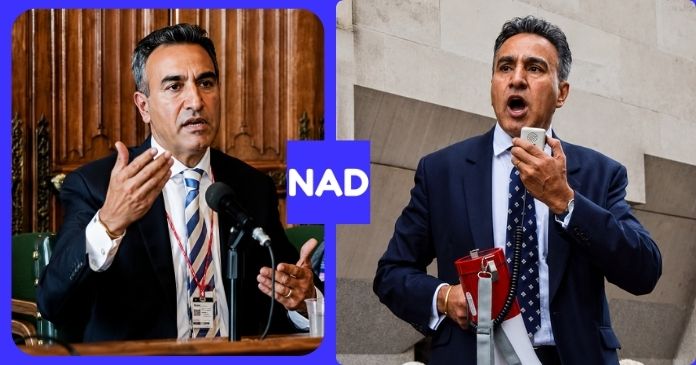
Jo Sidhu was once seen as one of the most prominent figures at the criminal Bar in England and Wales. His career had many of the marks of professional success: years of courtroom experience, the status of King’s Counsel, senior leadership roles, and a public voice during a difficult period for criminal barristers.
But his story is no longer only about achievement. It is also about responsibility, power, and the serious consequences that follow when professional trust is broken.
The name Jo Sidhu now stands at the center of a wider conversation about conduct in the legal profession. His rise showed how talent and determination can take a barrister to the highest levels of practice. His fall showed that status does not protect anyone from accountability.
This article examines his background, legal career, leadership, disciplinary case, and why his story remains important to the future of the British legal profession.
The Background of Jo Sidhu and His Rise at the Bar
Jo Sidhu, whose full name is Navjot Sidhu, was called to the Bar of England and Wales in 1993 by Lincoln’s Inn. He went on to build a strong criminal law practice, one of the most demanding areas of the justice system.
Criminal barristers often deal with serious cases, intense pressure, and high public interest. Their work can involve defending or prosecuting matters where a person’s freedom, reputation, and future are at stake. In this world, advocacy skills matter deeply.
Sidhu developed a reputation as a confident and experienced advocate. Over the years, he handled complex criminal matters and became known within legal circles as a senior figure at the Bar.
A major milestone came in 2012 when he took silk, becoming Queen’s Counsel. After the change of monarch, the title became King’s Counsel. This rank is awarded to barristers recognized for excellence in advocacy and professional standing.
For Jo Sidhu, this achievement marked his arrival among the senior ranks of the profession. It also gave him greater influence, both inside the court and across legal organizations.
From Criminal Barrister to Public Legal Figure
Sidhu’s career was not limited to courtroom advocacy. He also took on leadership roles connected to equality, diversity, and representation within the legal profession.
He served as president of the Society of Asian Lawyers and held senior roles linked to equality and diversity at the Bar Council. These positions placed him in conversations about access, inclusion, and opportunity for people entering the legal profession.
He later became chair of the Criminal Bar Association, a role that gave him a national platform. The Criminal Bar Association represents barristers working in criminal law, many of whom had raised concerns about legal aid funding, court delays, and pressure on the justice system.
During the barristers’ strike in 2022, Sidhu became one of the visible faces of the campaign. The strike drew attention to working conditions and pay concerns across the criminal Bar. It also highlighted the strain facing courts and barristers after years of pressure.
At that time, Jo Sidhu was viewed by many as a strong voice for criminal barristers. His public role increased his profile beyond legal circles and made him a recognizable figure in national legal debate.
The Misconduct Case That Changed Everything
The turning point in Sidhu’s career came through disciplinary proceedings brought by the Bar Standards Board. The case involved professional misconduct findings connected to sexual conduct towards a female student undertaking a mini-pupillage.
A mini-pupillage is a short work-shadowing experience for people who are considering a career at the Bar. It is often an important step for students and aspiring barristers who want to understand legal practice and build professional connections.
That setting made the case especially serious. A senior barrister has influence, experience, and authority. A student or junior person entering the profession may feel pressure to trust, follow, or please that senior figure.
The disciplinary tribunal found that Sidhu acted in a way likely to diminish the trust and confidence placed in him and in the profession. The findings related to events in 2018, when he invited the mini-pupil to stay overnight in his hotel room and hotel bed, and initiated sexual contact, were found to be inappropriate.
The tribunal considered the professional context, the power imbalance, and Sidhu’s senior position. Although his past achievements and good character references were considered, the majority concluded that disbarment was the proper sanction.
This decision was a dramatic fall for a barrister who had once held some of the most respected positions in the profession.
Disbarment, Appeal, and the Latest Position
In March 2025, the Bar Standards Board announced that Jo Sidhu had been ordered to be disbarred by an independent disciplinary tribunal. The order meant he would be removed from the profession as a practicing barrister.
Sidhu appealed against the sanction. He did not seek to challenge the findings of misconduct, but argued that disbarment was too severe and that a long suspension would have been more suitable.
The High Court dismissed his appeal in January 2026. The court held that the appeal failed and that the sanction of disbarment remained in place.
This latest update is important because it confirmed the final position. Sidhu’s disbarment stood, and the case became a major example of how serious professional misconduct can end even a high-profile legal career.
For the wider Bar, the decision sent a clear message. Seniority, reputation, and past service cannot outweigh the need to protect the profession’s trust.
Why the Jo Sidhu Case Matters to the Legal Profession
The Jo Sidhu case matters because it is about more than one individual. It raises difficult questions about power, mentoring, boundaries, and safety within professional spaces.
The legal profession depends on trust. Clients must trust barristers. Courts must trust advocates. Junior lawyers must trust senior professionals who guide them. When that trust is damaged, the effects extend far beyond a single case.
This case also speaks to the wider issue of bullying, harassment, and misconduct in legal workplaces. For many aspiring barristers, mini-pupillages and work-shadowing opportunities are gateways into the profession. These spaces must be safe, professional, and properly managed.
The case has also become part of a larger cultural shift. Legal bodies are under pressure to ensure that people can report misconduct without fear. Chambers and professional organizations are expected to take stronger action to protect juniors, students, and staff.
For Jo Sidhu, the story is now a complicated legacy. His achievements in criminal law and legal leadership remain part of his biography. But they sit beside serious findings that ended his career at the Bar.
That contrast is what makes the story so powerful. It shows that professional success must always be matched by integrity.
Conclusion
Jo Sidhu’s story is one of achievement, influence, and serious professional downfall. He rose to become a King’s Counsel, built a respected career in criminal law, and held major leadership roles at the Bar.
Yet his disbarment changed the final shape of his legacy. The case showed that legal status carries responsibility, and that public trust in the profession must be protected.
In the end, Jo Sidhu’s career remains a powerful reminder that skill can build a reputation, but conduct decides how that reputation is remembered.
(FAQs)
Who is Jo Sidhu?
Jo Sidhu, also known as Navjot Sidhu, is a former British barrister and King’s Counsel who built a career in criminal law and held senior roles in the legal profession.
When was Jo Sidhu called to the Bar?
Jo Sidhu was called to the Bar of England and Wales in 1993 by Lincoln’s Inn.
What type of law did Jo Sidhu practice?
He was mainly known for his work in criminal law, including serious and complex criminal cases.
What leadership roles did Jo Sidhu hold?
He served as president of the Society of Asian Lawyers and later became chair of the Criminal Bar Association.
Why was Jo Sidhu disbarred?
He was disbarred after professional misconduct findings involving inappropriate sexual conduct towards a female mini-pupil during a work-shadowing experience.
Did Jo Sidhu appeal the disbarment?
Yes. He appealed against the sanction, but the High Court dismissed the appeal in January 2026.
Why is the Jo Sidhu case important?
The case is important because it highlights issues of power, trust, professional boundaries, and accountability within the legal profession.