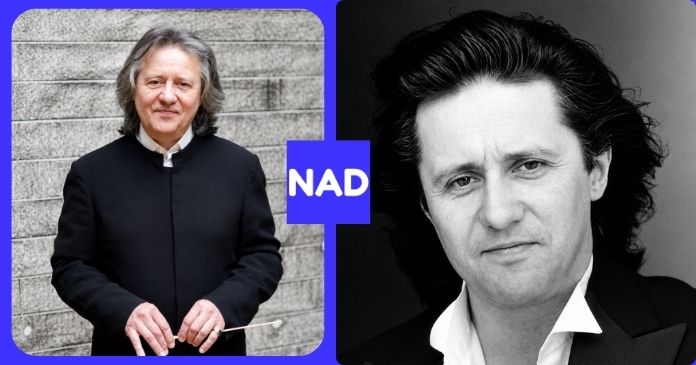
Stephen Barlow is one of those names that may not always sit in the loudest corner of popular culture, yet his influence runs deeply through British classical music. His career moves across opera houses, concert halls, festivals and education, creating a story that feels both traditional and quietly bold.
Born in 1954, he became known as an English conductor, composer and pianist with a strong connection to opera. Over the years, he has worked with major companies, helped shape important productions and brought musical drama to audiences far beyond the usual elite circles.
What makes his career interesting is not only the number of places he has worked, but the kind of artistic identity he built. He is linked with scholarship, theatrical imagination and a belief that classical performance should feel alive. For many listeners, Stephen Barlow represents a bridge between the old world of opera and the modern need for fresh, accessible storytelling.
His journey also shows how one musician can influence several areas at once. From cathedral music to international opera, from conducting to composition, his career reflects the changing face of British cultural life.
Quick Bio
| Field | Details |
|---|---|
| Full Name | Stephen Barlow |
| Born | 1954 |
| Age | 70 years old as of 2024 |
| Birthplace | England, United Kingdom |
| Nationality | British |
| Profession | Conductor, Composer, Pianist |
| Known For | Opera conducting, classical music leadership, and artistic direction |
| Music Style | Classical, Opera, Choral, Orchestral |
| Famous Roles | Artistic Director, Opera Conductor, Composer |
| Associated With | Glyndebourne, Opera North, Scottish Opera, Buxton Festival |
| Notable Work | Rainbow Bear, King |
| Spouse | Joanna Lumley |
| Active Field | British Classical Music and Opera |
| Legacy | Recognised for making opera more accessible and artistically engaging |
Early Life And Musical Background Of Stephen Barlow
Stephen Barlow’s musical roots began in a deeply traditional setting. He was a boy chorister at Canterbury Cathedral, a place where discipline, vocal training and sacred music often shape young musicians with lasting seriousness. That early experience gave him a strong foundation in choral sound and British musical heritage.
He later studied at The King’s School, Canterbury, before moving to Trinity College, Cambridge, where he was an Organ Scholar. This was an important stage in his development, as Cambridge offered both academic strength and performance opportunities. He also became involved in student music-making, including chamber groups and choral work.
After Cambridge, he studied at the Guildhall School of Music and Drama. This helped him move from the world of education into the demanding professional stage. Training in such institutions mattered because opera conducting requires more than musical skill. It needs timing, leadership, language awareness and a strong sense of theatre.
This background explains why Stephen Barlow became known for more than simply keeping an orchestra together. His work has often carried a sense of structure, drama and emotional purpose. That mixture became one of the defining features of his career.
A Career Built Around Opera, Conducting And Artistic Leadership
Stephen Barlow’s professional rise came through opera, where he developed a long association with major British companies. He worked with Glyndebourne, English National Opera, Scottish Opera, Opera North and the Royal Opera House. These are not small names in the classical world. They represent some of the most respected stages in the United Kingdom.
His connection with Glyndebourne was especially important. Glyndebourne has long been seen as a place where musical detail and stagecraft are treated with serious care. For a conductor, working in such an environment requires precision and artistic confidence.
He also co-founded Opera 80, a company associated with touring opera. This part of his story is especially important because touring opera helped bring major works to audiences outside the biggest cultural centres. In a country where classical music can sometimes feel centred around London, touring companies play a powerful role.
Later, he served as Artistic Director of Opera Northern Ireland from 1996 to 1999. This leadership role showed another side of his career. He was not only a conductor standing in front of musicians. He was also someone involved in shaping seasons, guiding artistic identity and making decisions about what audiences would experience.
That ability to move between music-making and leadership helped Stephen Barlow become a respected figure in British opera.
Stephen Barlow And The Buxton Festival Years
One of the most notable chapters in Stephen Barlow’s later career was his role at the Buxton Festival. The festival is known for combining opera, music and literary culture in a setting that attracts serious arts audiences. His time there strengthened his reputation as an artistic leader with a thoughtful approach to programming.
At Buxton, he was connected with productions that reflected both respect for the classical canon and interest in less familiar works. This balance is important in opera. Audiences often love famous titles, but festivals also need surprise, discovery and risk.
His leadership helped continue Buxton’s image as a distinctive festival rather than a copy of larger opera institutions. In that sense, his work fitted a wider movement in British classical music: making opera feel more flexible, more regional and more open to different kinds of audiences.
The Buxton period also showed how Stephen Barlow understood the festival model. A festival is not only about individual performances. It is about atmosphere, timing, place and identity. Strong artistic direction can make a festival feel like an event rather than just a programme.
This is one reason his name remains linked with opera leadership as well as conducting.
Composition, Recordings And Wider Musical Work
Although many people know Stephen Barlow mainly as an opera conductor, his work also includes composition and recording. This gives his career a wider shape. A conductor interprets existing music, but a composer creates new musical language. Moving between the two roles suggests a broad understanding of how music works from the inside.
Among his known compositions is Rainbow Bear, which has been associated with narration by Joanna Lumley, his wife. This work shows a more family-friendly and story-led side of his musical identity. It also reflects the idea that classical music can speak to younger audiences when it is presented with warmth and imagination.
His opera King has also been noted as part of his creative work, with a connection to Canterbury Cathedral. That link brings his story almost full circle, returning to the cathedral world where his early musical life began.
As a conductor, he has also worked beyond Britain. His career has included international appearances, showing that his reputation travelled outside the UK. Conducting is a profession built on trust. Opera companies need leaders who can handle singers, orchestras, rehearsal pressure and dramatic timing. His long career suggests that he earned that trust across many stages.
This wider body of work makes Stephen Barlow more than a specialist. He stands as a rounded musician with influence across performance, composition and cultural direction.
Why Stephen Barlow Still Matters Today
The importance of Stephen Barlow lies in the way his career reflects the changing needs of classical music. Opera today cannot survive only by relying on tradition. It must also speak clearly to modern audiences, support new interpretations and make space for both famous and lesser-known works.
His work in touring opera, regional festivals and major companies shows an understanding of that challenge. He has been part of a world where classical music must keep its standards high while becoming more open and engaging.
There is also an educational value in his career. Young musicians can look at his path and see that classical success does not have to mean only one role. A musician may conduct, compose, teach, lead institutions and shape festivals. That variety is increasingly important in the modern arts world.
His story also reminds us that British classical music is not made only by superstar performers. It is built by conductors, coaches, artistic directors, composers and festival leaders who work across decades. Their influence may be quieter, but it can be lasting.
For this reason, Stephen Barlow remains a meaningful figure in discussions about opera, performance and the future of classical culture in the UK.
Conclusion
Stephen Barlow’s career is a powerful example of how one musician can shape classical culture from many directions. He has worked as a conductor, composer, pianist and artistic leader, building a reputation that stretches across opera houses, festivals and concert platforms.
His story begins in the disciplined world of cathedral music and grows into a wider life in British and international opera. Along the way, he has supported touring performance, led important institutions and shown how classical music can remain serious while still reaching new audiences.
In a fast-changing arts world, Stephen Barlow stands as a reminder that musical influence is not always about fame alone. Sometimes, it is about vision, endurance and the ability to make great music feel alive for every generation
Read this too: Who Is Matia Marks, and Why Is Her Legal and Creative Journey Getting Attention?
(FAQs)
Who is Stephen Barlow?
Stephen Barlow is an English conductor, composer and pianist, best known for his work in opera and British classical music.
When was Stephen Barlow born?
He was born in 1954. Several public profiles list his full date of birth as 30 June 1954.
What is Stephen Barlow famous for?
He is known for conducting opera, working with major companies, co-founding Opera 80 and serving in artistic leadership roles.
Was Stephen Barlow connected with the Buxton Festival?
Yes. He served as Artistic Director of the Buxton Festival during the 2010s and helped shape its opera programming.
Did Stephen Barlow work with Glyndebourne?
Yes. His career includes a long association with Glyndebourne, one of the UK’s most respected opera institutions.
Is Stephen Barlow also a composer?
Yes. Alongside conducting, he has composed works including Rainbow Bear and the opera King.
What is Stephen Barlow’s link to Joanna Lumley?
Stephen Barlow has been married to actress Joanna Lumley since 1986. She has also narrated his composition Rainbow Bear.
Why is Stephen Barlow important in British classical music?
He is important because his career connects performance, touring opera, composition, festival leadership and music education.